Unlocking the Secrets of Mood Stones: A Guide to Understanding Their Power
Mood stones have captivated people for centuries, offering a fascinating intersection between science, spirituality, and personal wellness. These remarkable gemstones and crystals have become increasingly popular in recent years as individuals seek alternative methods to understand their emotional states and enhance their overall well-being. Whether you're a seasoned crystal enthusiast or someone just beginning to explore the world of mood stones, this comprehensive guide will help you understand their history, how they work, their various types, and how to incorporate them into your daily life.
The History and Origins of Mood Stones
The concept of stones possessing healing and emotional properties dates back thousands of years. Ancient civilizations, including the Egyptians, Greeks, and Romans, believed that certain gemstones held mystical powers and could influence human emotions and health. Archaeological evidence suggests that people have been using crystals and stones for spiritual and medicinal purposes since at least 3000 BCE.
Ancient Beliefs and Practices
In ancient Egypt, lapis lazuli was considered a stone of great spiritual significance and was used in amulets and jewelry by pharaohs and priests. The Egyptians believed this deep blue stone could open the third eye and enhance spiritual awareness. Similarly, the ancient Greeks attributed healing properties to various gemstones, with different stones believed to offer protection, courage, or emotional balance.
The Romans continued this tradition, incorporating gemstones into their medical practices and spiritual rituals. They documented their beliefs about the properties of various stones in early texts, creating some of the first written records of crystal healing practices. These ancient civilizations didn't distinguish between what we might call scientific properties and spiritual properties—they viewed stones as holistic tools for wellness.
Medieval and Renaissance Development
During the Middle Ages, the use of gemstones for healing and emotional support became more formalized in Europe. Lapidaries, which were texts describing the properties of stones, became popular among scholars and healers. These documents outlined which stones were believed to help with specific ailments or emotional states. The tradition of wearing gemstones as talismans or amulets became widespread across European society.
The Renaissance period saw a renewed interest in classical texts about gemstones and their properties. Scholars and alchemists studied ancient writings and experimented with various stones, attempting to understand the mechanisms behind their purported effects. This period marked a transition toward more systematic documentation of crystal properties, though the scientific understanding remained limited.
Modern Mood Stone Development
The modern mood stone as we know it today was developed in the 1970s. The original mood ring, created by Joshua Reynolds, contained thermochromic liquid crystals that changed color based on temperature fluctuations. These temperature changes were believed to reflect the wearer's emotional state, as emotions can affect body temperature. The mood ring became a cultural phenomenon, introducing millions of people to the concept of stones that respond to emotional states.
While the original mood rings were based on thermochromic technology rather than the inherent properties of natural stones, they sparked renewed interest in the broader concept of mood stones. This led to increased research into natural gemstones and their potential effects on human emotions and well-being. Today's mood stones represent a blend of traditional crystal healing wisdom and modern understanding of how these materials interact with human energy.
Understanding How Mood Stones Work
The mechanism behind mood stones operates on several levels, combining scientific principles with metaphysical concepts. Understanding these different perspectives can help you appreciate mood stones more fully, regardless of your personal beliefs about their efficacy.
The Scientific Perspective
From a scientific standpoint, mood stones work primarily through color psychology and the placebo effect. When you look at a beautiful stone that changes color or displays vibrant hues, your brain responds positively to the visual stimulus. This positive response can genuinely improve your mood and emotional state, even if the stone itself isn't directly causing the change.
Certain gemstones contain minerals that can reflect light in specific ways, creating visual effects that are calming or energizing. For example, the deep blue of lapis lazuli or the soothing green of jade can have measurable effects on stress levels and anxiety. Research in color psychology has shown that different colors do indeed influence human emotions and behavior. Blue promotes calmness and trust, green encourages balance and healing, and red stimulates energy and passion.
Additionally, the act of carrying or wearing a mood stone serves as a mindfulness tool. When you touch your stone throughout the day, you're reminded to check in with your emotional state and practice self-awareness. This conscious attention to your emotions can help you manage stress more effectively and respond to situations with greater emotional intelligence.
The Metaphysical Perspective
From a metaphysical viewpoint, mood stones are believed to work through energy vibrations. According to crystal healing traditions, all matter vibrates at specific frequencies, and gemstones have unique vibrational patterns that can influence human energy fields. When you carry or wear a mood stone, its vibrations are thought to interact with your personal energy, helping to balance and harmonize your emotional state.
This perspective suggests that mood stones don't just reflect your current emotional state—they actively work to shift it toward greater balance and wellness. Different stones are believed to have different vibrational frequencies, making them suitable for different emotional needs. For instance, rose quartz is thought to vibrate at the frequency of unconditional love, while amethyst is believed to resonate with spiritual awareness and calm.
Practitioners of crystal healing often describe experiencing tangible shifts in their emotional states when working with specific stones. While these experiences may be explained by the placebo effect from a scientific perspective, many people find the results meaningful and valuable regardless of the underlying mechanism.
The Psychological Perspective
Psychology offers another lens through which to understand mood stones. The practice of using mood stones engages several psychological principles that can genuinely improve emotional well-being. First, there's the power of intention. When you select a mood stone for a specific purpose—such as calming anxiety or boosting confidence—you're setting a clear intention for your emotional work. This intentional focus can help direct your attention and energy toward positive change.
Second, mood stones serve as external anchors for internal states. By associating a particular stone with a desired emotional state, you create a psychological link that can be activated whenever you interact with the stone. This is similar to how a particular song can instantly evoke a specific memory or emotion. Over time, simply holding or looking at your mood stone can trigger the emotional state you've associated with it.
Third, the ritual of using mood stones provides structure and consistency to emotional self-care practices. Regular interaction with your stones creates a habit loop that supports ongoing emotional awareness and management. This consistent practice can lead to genuine improvements in emotional resilience and well-being.
Types of Mood Stones and Their Properties
The world of mood stones encompasses a wide variety of gemstones and crystals, each with its own unique properties and associations. Understanding the different types can help you select stones that align with your specific emotional needs.
Rose Quartz: The Stone of Love and Compassion
Rose quartz is one of the most popular mood stones, known for its soft pink color and gentle energy. This stone is traditionally associated with unconditional love, compassion, and emotional healing. Many people use rose quartz to open their hearts, improve relationships, and cultivate self-love. The gentle color of rose quartz has a naturally calming effect, making it an excellent choice for those dealing with emotional pain or seeking to develop greater empathy and kindness.
From a scientific perspective, the pale pink color of rose quartz promotes feelings of warmth and comfort. People who work with rose quartz often report feeling more emotionally open and connected to others. Whether this is due to the stone's inherent properties or the power of intention and color psychology, the results are often meaningful to those who use it.
Amethyst: The Stone of Spiritual Awareness and Calm
Amethyst, with its beautiful purple hues, is one of the most versatile and widely used mood stones. This stone is believed to promote spiritual awareness, mental clarity, and emotional calm. Many people keep amethyst in their bedrooms to promote restful sleep and peaceful dreams. The stone is also popular among those seeking to reduce anxiety and stress, as its color and energy are thought to have a naturally soothing effect.
Amethyst is particularly valued for its ability to help with emotional balance during times of transition or change. The stone is believed to strengthen intuition and spiritual connection while grounding emotional energy. People working through grief, loss, or major life changes often find amethyst to be a supportive companion on their healing journey.
Citrine: The Stone of Abundance and Joy
Citrine, a golden or yellow variety of quartz, is known as the stone of abundance and joy. This vibrant stone is believed to attract prosperity, boost confidence, and elevate mood. The warm, sunny color of citrine naturally promotes feelings of optimism and happiness. Many people carry citrine to enhance their sense of personal power and attract positive opportunities into their lives.
Beyond its association with material abundance, citrine is valued for its ability to lift mood and promote emotional resilience. The stone is thought to help transform negative emotions into positive ones, making it an excellent choice for those dealing with depression or low self-esteem. The bright, energizing color of citrine serves as a visual reminder to maintain a positive outlook.
Green Aventurine: The Stone of Emotional Tranquility
Green aventurine is a gentle, soothing stone associated with emotional tranquility and heart healing. The soft green color promotes feelings of calm and balance, making this stone ideal for those seeking emotional stability. Green aventurine is believed to help release negative emotions and promote forgiveness, both of others and oneself.
This stone is particularly valued for its ability to support emotional growth and healing. People working through relationship issues, grief, or emotional trauma often find green aventurine to be a comforting and supportive presence. The stone's energy is thought to encourage compassion and understanding, both toward others and toward oneself.
Black Tourmaline: The Stone of Protection and Grounding
Black tourmaline is a powerful protective stone that helps ground emotional energy and shield against negative influences. This dark, grounding stone is believed to absorb negative emotions and energy, creating a protective barrier around the user. People who feel emotionally vulnerable or overwhelmed often turn to black tourmaline for its stabilizing and protective properties.
The grounding energy of black tourmaline makes it an excellent choice for those dealing with anxiety, fear, or emotional overwhelm. The stone is thought to help anchor you to the present moment and the physical world, reducing feelings of disconnection or dissociation. Many people keep black tourmaline in their homes or workplaces to maintain a sense of emotional safety and stability.
Lapis Lazuli: The Stone of Truth and Inner Vision
Lapis lazuli, with its deep blue color and golden flecks, is a stone of truth, inner vision, and spiritual awareness. This ancient stone has been valued for thousands of years for its ability to enhance intuition and promote honest communication. The deep blue color of lapis lazuli promotes feelings of calm and mental clarity, making it an excellent choice for those seeking to understand their emotions more deeply.
Lapis lazuli is believed to help you access your inner wisdom and speak your truth with confidence and clarity. The stone is particularly valuable for those struggling with self-expression or emotional authenticity. By working with lapis lazuli, many people find it easier to understand their true feelings and communicate them effectively to others.
Smoky Quartz: The Stone of Grounding and Emotional Release
Smoky quartz is a grounding stone that helps release negative emotions and transform them into positive energy. The soft brown or gray color of smoky quartz has a naturally calming effect, making it an excellent choice for those dealing with stress, anxiety, or emotional overwhelm. This stone is believed to help you let go of what no longer serves you, both emotionally and energetically.
Smoky quartz is particularly valued for its ability to help process difficult emotions and experiences. The stone is thought to support emotional healing by helping you release stored trauma and negative patterns. Many people use smoky quartz during times of transition or change, as it helps ground you while you navigate new emotional territory.
How to Select Your Mood Stones
Choosing the right mood stones is a personal process that should reflect your individual needs and preferences. There are several approaches you can take to select stones that will be most beneficial for you.
Intuitive Selection
One of the most popular methods for selecting mood stones is intuitive selection. This approach involves allowing yourself to be drawn to stones based on your immediate emotional response. When browsing mood stones, notice which ones catch your eye or feel appealing to you. Often, the stones you're naturally drawn to are the ones you need most at that moment in your life.
Intuitive selection is based on the belief that you'll be attracted to the stones whose energy you need to work with. Your subconscious mind recognizes what emotional support you require and guides you toward the appropriate stones. Many experienced crystal users swear by this method, reporting that the stones they've intuitively selected have been exactly what they needed.
Purpose-Based Selection
Another approach is to select mood stones based on your specific emotional needs or goals. If you're working through anxiety, you might choose amethyst or green aventurine. If you're seeking to enhance self-love, rose quartz would be an excellent choice. If you want to boost confidence and attract abundance, citrine might be your stone.
This method requires some research into the traditional properties and associations of different stones. Once you understand what each stone is believed to support, you can select stones that align with your current emotional work or goals. This purposeful approach can be particularly effective if you have a clear sense of what you're trying to achieve emotionally.
Color-Based Selection
You can also select mood stones based on color psychology. Different colors have different effects on human emotions and psychology. If you're drawn to calming, peaceful emotions, you might choose blue, green, or purple stones. If you want to boost energy and motivation, you might select red, orange, or yellow stones. If you're seeking balance and stability, earth tones like brown or gray might appeal to you.
Color-based selection is grounded in scientific research about how colors affect human psychology and emotion. By choosing stones in colors that resonate with your emotional needs, you're leveraging the proven effects of color psychology to support your emotional well-being.
Chakra-Based Selection
Many people select mood stones based on the chakra system, an ancient framework for understanding energy centers in the body. Each chakra is associated with specific colors, emotions, and life areas. By selecting stones that correspond to the chakras you're working to balance or heal, you can create a comprehensive approach to emotional wellness.
For example, if you're working on heart healing and emotional expression, you might choose rose quartz (heart chakra) and lapis lazuli (throat chakra). If you're seeking to ground yourself and feel more secure, you might select black tourmaline or smoky quartz (root chakra). This approach combines traditional crystal wisdom with the chakra system for a holistic approach to emotional healing.
Incorporating Mood Stones into Your Daily Life
Once you've selected your mood stones, there are many ways to incorporate them into your daily routine to maximize their benefits. The key is to find practices that feel natural and sustainable for you.
Carrying Mood Stones
One of the simplest ways to work with mood stones is to carry them with you throughout the day. You can keep a small stone in your pocket, purse, or bag, touching it whenever you need emotional support or a reminder to check in with your feelings. Many people find that having their mood stone nearby provides a sense of comfort and grounding throughout the day.
Carrying your mood stone also creates opportunities for mindfulness. Each time you touch your stone, you're reminded to pause and notice your emotional state. This regular check-in can help you become more aware of your emotional patterns and triggers, allowing you to respond to situations with greater emotional intelligence.
Wearing Mood Stone Jewelry
Another popular way to work with mood stones is to wear them as jewelry. Mood stone rings, necklaces, bracelets, and earrings allow you to keep your stones close to your body throughout the day. The constant contact with your stone can amplify its effects and create a stronger energetic connection.
Wearing mood stone jewelry also serves as a visible reminder of your emotional intentions and goals. When you see your stone throughout the day, you're reminded of the emotional work you're doing and the qualities you're cultivating. This visual reminder can help reinforce positive emotional patterns and support your overall emotional well-being.
Creating a Mood Stone Altar or Sacred Space
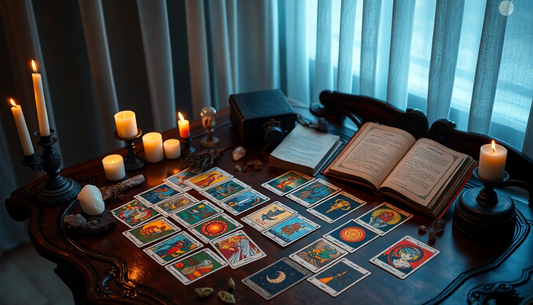
Many people create a dedicated space in their homes where they keep their mood stones. This might be a small altar, a shelf, or a special box where you arrange your stones intentionally. Having a designated space for your stones creates a focal point for your emotional work and spiritual practice.
You can arrange your stones in patterns that feel meaningful to you, perhaps organizing them by color, type, or the emotional qualities you're working with. Spending time at your mood stone altar, meditating with your stones, or simply gazing at them can deepen your connection to their energy and support your emotional healing.
Meditation with Mood Stones
Meditation is a powerful way to deepen your connection with your mood stones and amplify their effects. You can hold a stone in your hand while meditating, place it on your body at the corresponding chakra, or simply gaze at it while you meditate. As you meditate, focus on the qualities and energy you associate with your stone.
Mood stone meditation can help you access deeper emotional awareness and facilitate healing. By combining the calming effects of meditation with the energy of your stone, you create a powerful practice for emotional transformation. Even just five to ten minutes of daily meditation with your mood stones can have significant effects on your emotional well-being over time.
Using Mood Stones in Your Bedroom
Placing mood stones in your bedroom can support emotional healing and restful sleep. Many